
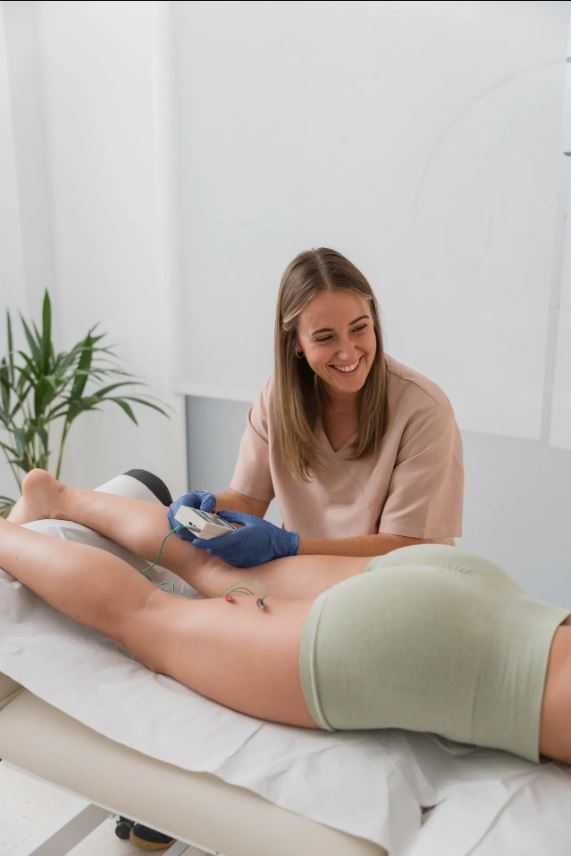
Dry Needling vs. Acupuncture: Pain Relief Options in Lee’s Summit
When it comes to pain management and muscle recovery, two treatments that have been gaining attention are dry needling and acupuncture. While both techniques involve the insertion of thin needles into the skin, they are distinct practices with different purposes and methods. In this blog, we’ll compare dry needling vs acupuncture, explore their benefits, and help you decide which treatment may be best for you. Whether you’re from Lee’s Summit, MO, or the surrounding Kansas City suburbs, Summit Chiropractic is here to guide you through these pain relief options.
What is Dry Needling?
Dry needling is a modern therapeutic technique used by physical therapists and chiropractors to treat musculoskeletal pain and muscle tightness. During dry needling, a trained practitioner inserts a thin needle into specific “trigger points” or areas of muscle tension. These trigger points are often where muscles become contracted or stiff, causing discomfort or limiting range of motion.
The needles used in dry needling are thin and typically do not inject any substances into the body, which is why the technique is referred to as “dry.” The purpose of the treatment is to stimulate these trigger points to promote healing, reduce muscle tightness, and alleviate pain. Dry needling can help treat conditions such as:
- Chronic muscle pain
- Tension headaches
- Neck and back pain
- Sports injuries
- Fibromyalgia
The goal of dry needling is to target the specific muscle groups causing discomfort and to promote relaxation, reducing overall pain and improving movement.
What is Acupuncture?
Acupuncture, a practice rooted in traditional Chinese medicine, has been used for thousands of years to treat various health conditions. Unlike dry needling, which is primarily used for musculoskeletal pain, acupuncture aims to restore balance to the body’s energy flow (Qi) through the insertion of needles into specific points along energy pathways known as meridians.
Acupuncture is thought to help regulate the flow of Qi, thereby restoring health and promoting healing. It is used not only for pain relief but also for a wide range of conditions, including:
- Stress and anxiety
- Insomnia
- Digestive issues
- Chronic pain
- Migraines
- Musculoskeletal pain (similar to dry needling)
Acupuncture needles are typically thinner than those used in dry needling, and the insertion points are chosen based on the principles of Chinese medicine. The goal of acupuncture is to stimulate the body’s natural healing process and improve overall well-being by balancing the body’s energy.
Dry Needling vs Acupuncture: Key Differences
While both dry needling and acupuncture involve needle insertion, they are fundamentally different techniques in terms of their goals, methodology, and areas of focus. Here are the main differences between dry needling vs acupuncture:
- Philosophy and Approach
- Dry Needling: Focuses on treating musculoskeletal pain and muscle tightness. It is based on Western medicine principles, targeting trigger points to relieve pain and muscle dysfunction.
- Acupuncture: Based on Traditional Chinese Medicine, acupuncture seeks to balance the body’s energy (Qi) and restore harmony between body systems. It is used for a broader range of conditions, including emotional health, digestive issues, and more.
- Needle Insertion Points
- Dry Needling: Needles are inserted directly into muscle knots or trigger points where there is pain or muscle tightness.
- Acupuncture: Needles are inserted along specific meridians (energy pathways) in the body, which may not always be near the pain area.
- Purpose and Benefits
- Dry Needling: Aims to relieve muscle pain, tightness, and inflammation, and to improve mobility. It’s more focused on addressing muscle-related issues.
- Acupuncture: Addresses a broader range of health issues, including chronic pain, emotional stress, digestive problems, and overall wellness. It focuses on restoring balance within the body and promoting general health.
- Needle Technique
- Dry Needling: Often involves inserting needles into tight muscle areas, where they may elicit a muscle twitch to release tension.
- Acupuncture: Involves inserting needles into specific acupuncture points with the goal of stimulating energy flow and balancing Qi.
Which Treatment is Right for You?
When deciding between dry needling vs acupuncture, the right choice depends on your specific health needs. Both treatments can be beneficial, but each has a different focus and approach.
- If you’re dealing with chronic muscle pain, muscle tightness, or sports injuries, dry needling may be the more effective treatment to relieve pain and improve mobility.
- If you’re dealing with stress, anxiety, insomnia, or digestive issues, acupuncture may offer broader health benefits, as it addresses both physical and emotional aspects of wellness.
At Summit Chiropractic in Lee’s Summit, MO, we offer both dry needling and acupuncture as part of our holistic treatment plans. We understand that each patient is unique, and we take the time to assess your specific health concerns and goals to determine the best course of treatment.
Benefits of Dry Needling and Acupuncture in Lee’s Summit, MO
For patients in Lee’s Summit and the surrounding Kansas City suburbs, both dry needling and acupuncture offer effective pain relief and wellness benefits. Whether you’re dealing with localized pain, tension, or stress, these therapies provide natural, drug-free treatment options. Some benefits include:
- Pain relief: Both dry needling and acupuncture have been shown to reduce pain, especially for chronic conditions like back pain, neck pain, and headaches.
- Improved mobility: Dry needling helps to release muscle tension and improve flexibility, while acupuncture can help with overall body function.
- Stress reduction: Acupuncture, in particular, is known for its ability to promote relaxation and reduce stress levels.
- Better sleep: Both treatments can help regulate the body’s systems, leading to improved sleep quality and a more rested feeling.
Dry Needling vs Acupuncture in Lee’s Summit: What to Expect
At Summit Chiropractic, we strive to create a comfortable and welcoming environment for all of our patients. Whether you’re coming in for dry needling or acupuncture, you can expect personalized care and attention from our skilled practitioners.
- For dry needling, the process involves a detailed consultation where your chiropractor will assess your pain and determine the appropriate trigger points for needle insertion. The session usually lasts 30-45 minutes.
- For acupuncture, we will review your health history, discuss your concerns, and develop a treatment plan. Acupuncture sessions typically last between 30-60 minutes, depending on the number of points being treated.
Why Choose Summit Chiropractic in Lee’s Summit, MO?
At Summit Chiropractic, we are proud to offer both dry needling and acupuncture as part of our comprehensive treatment options. Our experienced chiropractors and licensed acupuncturists work together to provide the best care possible for our patients in Lee’s Summit, MO, and surrounding areas like Blue Springs, Raytown, and Kansas City.
We take a holistic approach to wellness, combining chiropractic care, acupuncture, dry needling, and other therapies to help you achieve long-term relief and optimal health. Our goal is to help you live a pain-free life without relying on medications or invasive procedures.
Get Started with Dry Needling or Acupuncture Today
If you’re interested in exploring the benefits of dry needling vs acupuncture, contact Summit Chiropractic today to schedule your consultation. Our team is here to help you choose the right treatment to meet your needs and support your wellness journey. Whether you’re looking for relief from chronic pain or simply want to improve your overall well-being, we are here to help!
Learn More:
Frequently Asked Questions
What is the main difference between dry needling and acupuncture?
Dry needling targets trigger points in muscles using Western anatomy principles. Acupuncture follows traditional Chinese medicine meridian theory. Both use fine needles but differ in technique and underlying philosophy.
Is dry needling or acupuncture better for muscle pain?
Dry needling works directly on muscle trigger points and often suits acute muscle tension. Acupuncture takes a broader systemic approach. Your condition determines which fits best.
Are dry needling and acupuncture safe?
Both are generally safe when performed by trained practitioners using sterile needles. Minor bruising or soreness may occur. Always verify your provider’s credentials and licensing.
How many sessions do I need for dry needling or acupuncture?
Results vary by individual and condition severity. Some feel relief in one session; others need four to six. Your practitioner will recommend a treatment plan based on your response.
Can I combine dry needling with chiropractic care?
Yes. Many chiropractors integrate dry needling with spinal adjustments and massage therapy for comprehensive pain relief. Combined approaches often address muscle and skeletal issues together.
Discover which needle therapy works best for your pain. Call Lee’s Summit Chiropractic
today for a consultation.